>Arrive at Incheon Airport
>Go to SEOUL(1H)
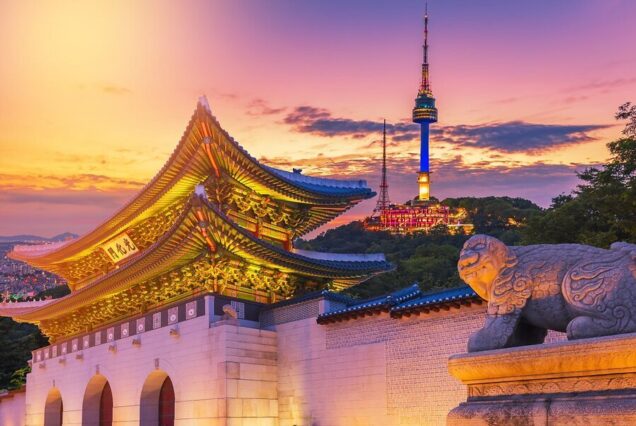
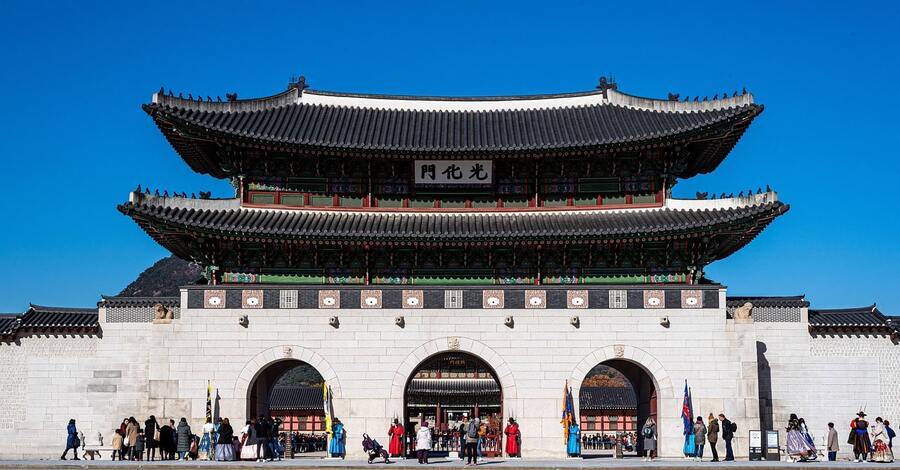
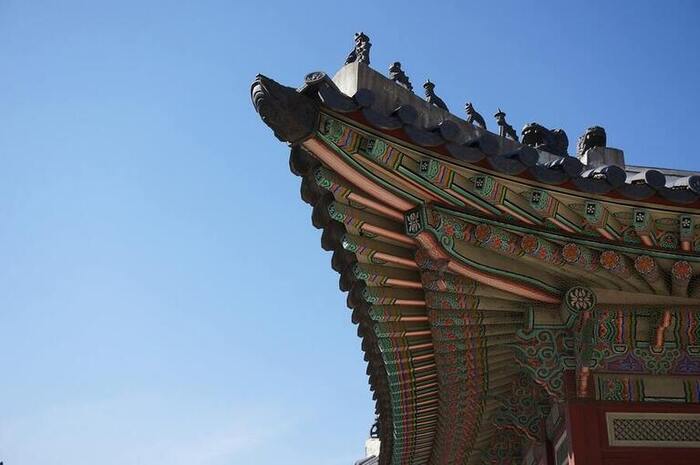
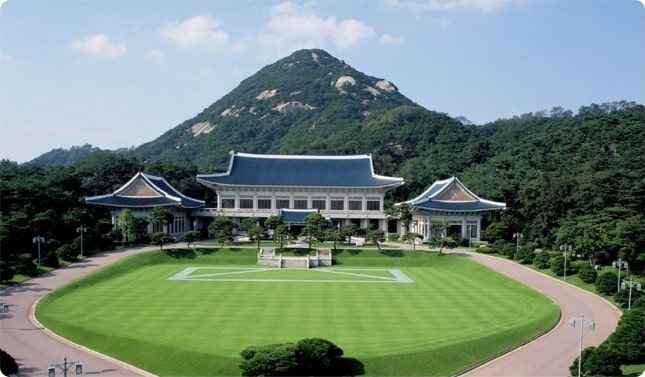
which functions as the main gate of Gyeongbokgung
Palace as the south gate
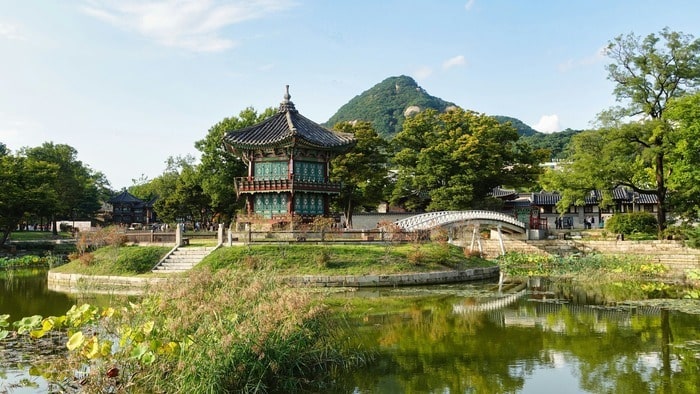
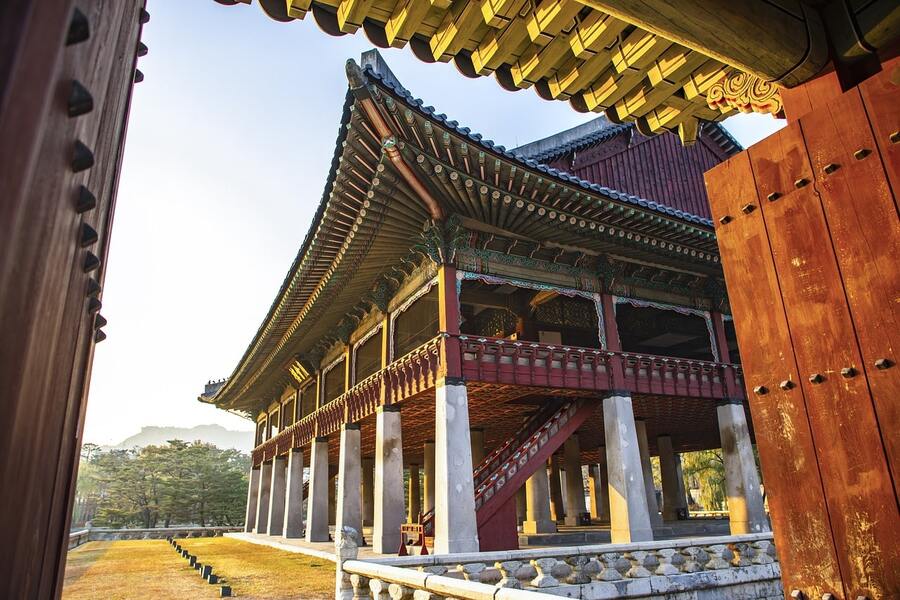
Gyeongbokgung Palace’s name means prosperity with great blessings.
Because it is located in the northernmost part of the country, it is usually called the Northern Palace. Gyeongbokgung Palace is the most beautiful and the largest of the five palaces.
Food art therapy is a field of art therapy that goes beyond the concept of simply eating food and transforms it into play and creative tools through activities such as touching, mixing, and crushing food to produce therapeutic effects.
Included Lunch / Dinner
5-Star HOTEL & Same Class
>Go to Gimpo Airport(1H)
>Go to JEJU(1H)
is one of JeJu Island’s most renowned botanical and cultural attractions, located along the scenic west coast.
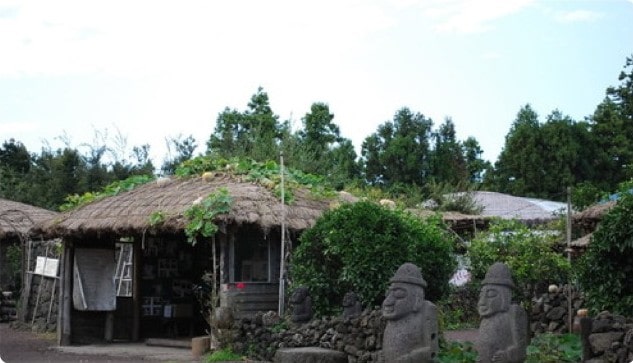
The park features beautifully landscaped gardens, subtropical plants, bonsai trees, and traditional JeJu stone statues (Dolhareubang). Visitors can also explore lava caves,
a folk village, and seasonal flower displays.
is a gentle mindfulness practice that invites participants to slow down, connect with their breath, and become aware of each step. By moving with intention and attention, it encourages relaxation, mental clarity, and a deeper connection with the present moment.
is a contemporary art museum on Jeju Island that harmoniously blends art, architecture, and nature. Designed by world-renowned architect Tadao Ando, the museum showcases Korean and international artworks while offering a tranquil space for reflection and inspiration.
Included Breakfast / Lunch / Dinner
5-Star HOTEL & Same Class
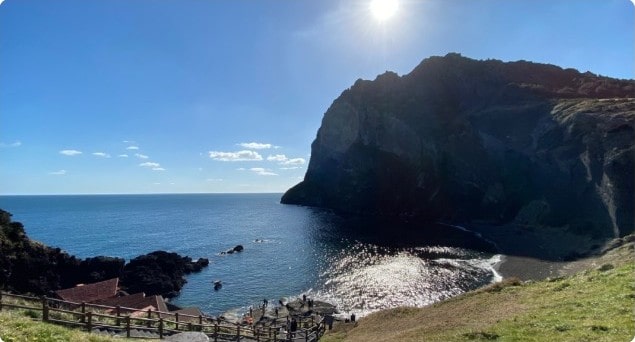
Seongsan IIChulBong Peak was created when magma erupted in the water, unlike other oreums on Jeju Island. As the hot magma erupted during volcanic activity met cold seawater, the ash contained a lot of moisture and became sticky, and Seongsan IIChulBong Peak was accumulated as it formed a layer.
is a gentle mindfulness practice that invites participants to slow down, connect with their breath, and become aware of each step. By moving with intention and attention, it encourages relaxation, mental clarity, and a deeper connection with the present moment.
It has been designated and protected as a folk village to maintain its old appearance. Tangible cultural heritages such as old government offices, DolHarBang, fortress sites, and tombstones, as well as intan- gible cultural heritages such as folk songs, folk games, folk crafts, and JeJu dialect, are still being passed down here. The SeongeUp Folk Vil- lage can actually meet the residents of SeongeUp-ri living of Jeju, and can see the ‘TongSi’, a traditional toilet in Jeju.
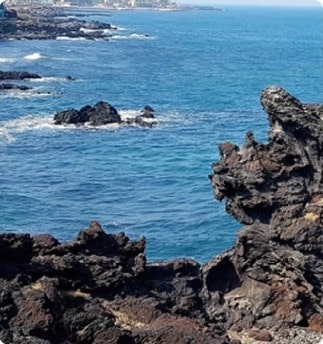
Dragonhead Rock is a rock about 10m high, and it is called Dragon- head Rock because it resembles the head of a dragon.
Dongmun Traditional Market
is a bustling market in JeJu where visitors can enjoy local food, fresh produce, and traditional goods.
>Go to JEJU Airport(1H)
>Arrived in SEOUL
Iucluded Breakfast / Lunch / Dinner
5-Star HOTEL & Same Class
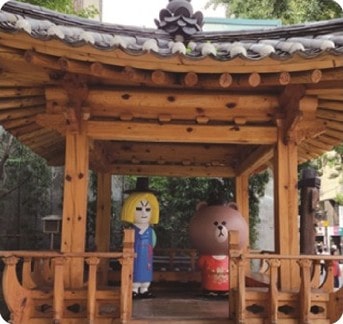
NamSanGol Traditonal Garden & Hanok Village
NamSanGol, the symbol of Seoul, has been called NamSan because it is lo- cated in the south of the capital city. NamSan Hanok village has been re-examined as the home of old an- cestors’ lives, and you can see the traditional residential style of that time.
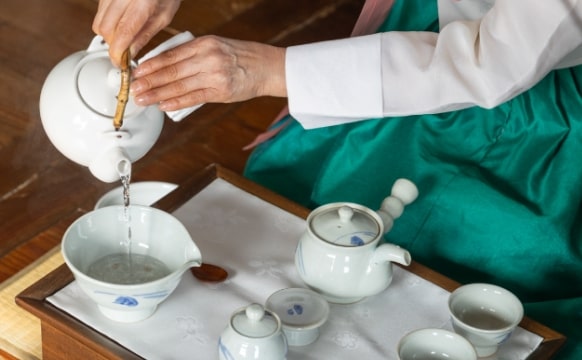
> Experience Korean traditional tea ceremony and etiquette (50min.)
1. Learning Traditional Etiquette
2. Making Teabags
3. Making Traditional Snacks, Dasik
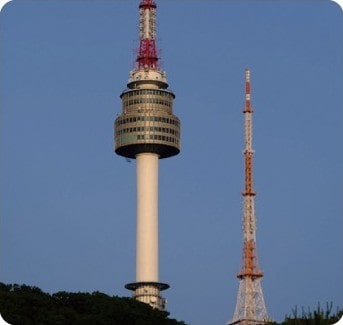
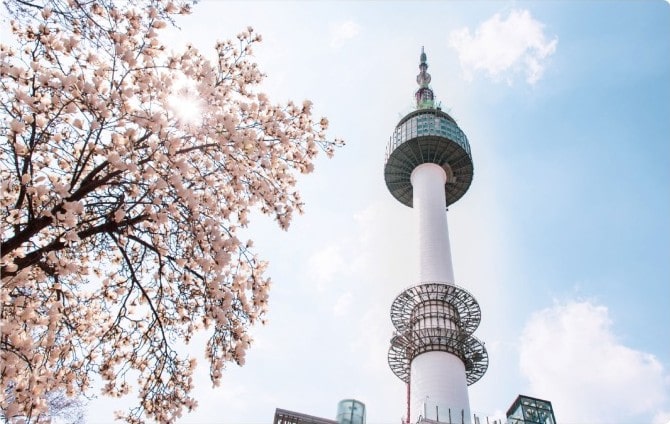
is overlooking downtown Seoul. Namsan Seoul Tower is the first comprehensive radio tower in Korea that combines efficient transmission and reception of broadcasting and tourism with the function of a tourism prospect facility that utilizes Korean traditional beauty, and was built for the future of broadcasting culture and tourism industry.
Included Breakfast / Lunch / Dinner
5-Star HOTEL & Same Class
>Go to InCheon Airport(1H)
Included Breakfast / Lunch
5-Star HOTEL(2Pax/Room), English Driving Guide, Private Car(15-Seater),
Admission Fee, Guide&Driver TIP, Domestic Flight Ticket(SEOUL<->JEJU)
We would like to inform you that the above schedule is subject to the follow- ing conditions, which are the provisions of Articles 8 and 12 of the domestic standard terms and conditions.
– Where the purpose of travel cannot be achieved due to natural disasters, wars, government orders, strikes, or suspension of transportation and ac- commodation facilities
– Where the arrival is delayed during the travel period of aircraft, trains, ships, etc. without intention or negligence of the company, or the scheduled travel schedule is impossible due to traffic congestion, etc
▶ If the traveler requests the cancellation of the travel contract, a fee will be collected according to the travel terms and conditions.
1) Cancellation 5 days before travel start: Full refund
2) Cancellation 3 to 4 days before travel start: 30% of cost
3) Cancellation 1 to 2 days before travel start: 50% of the cost
4) If the trip is canceled or not canceled on the start date of the trip: Full travel expenses
5) Depending on the characteristics of the product, a separate fee policy can be applied.